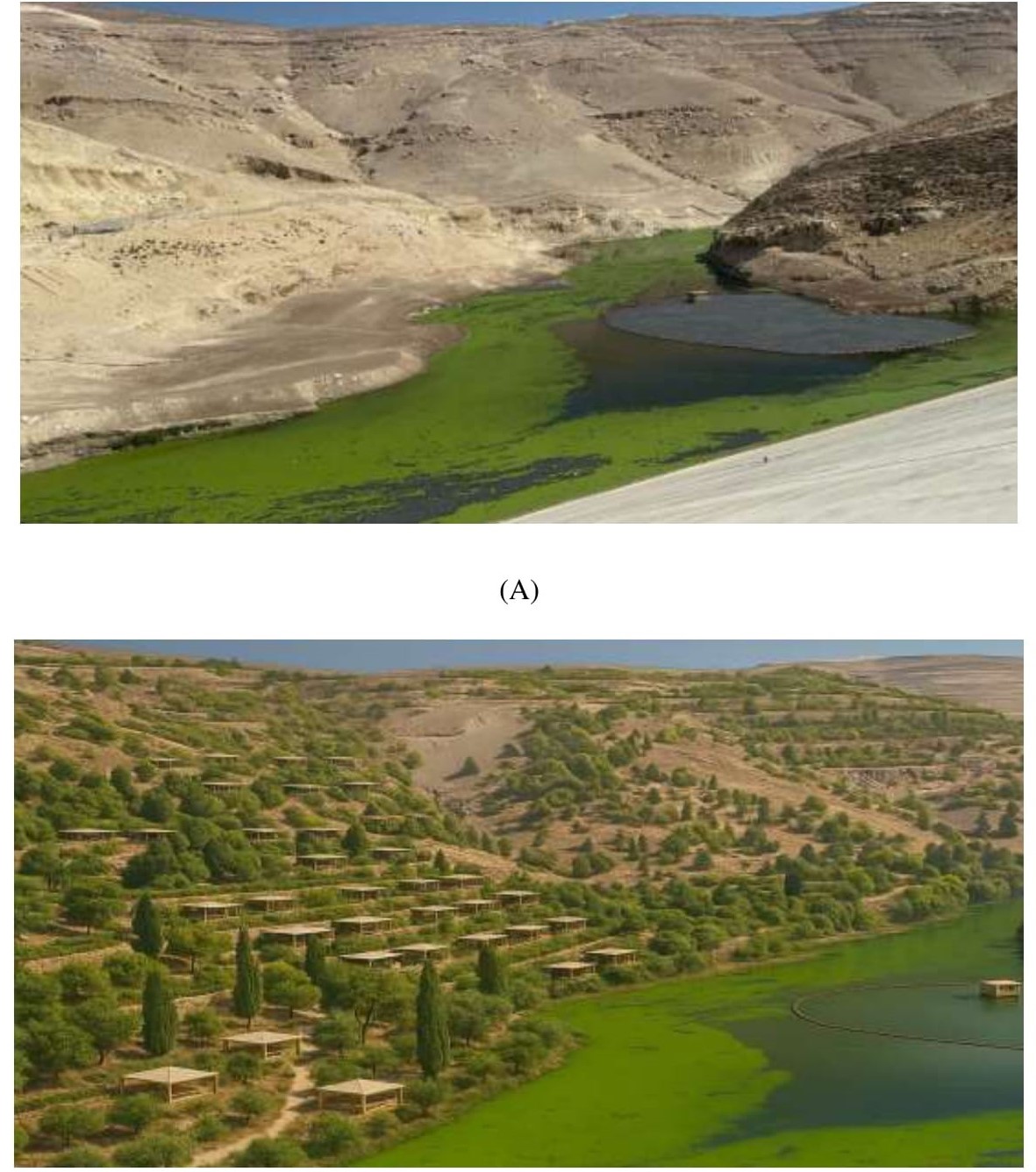
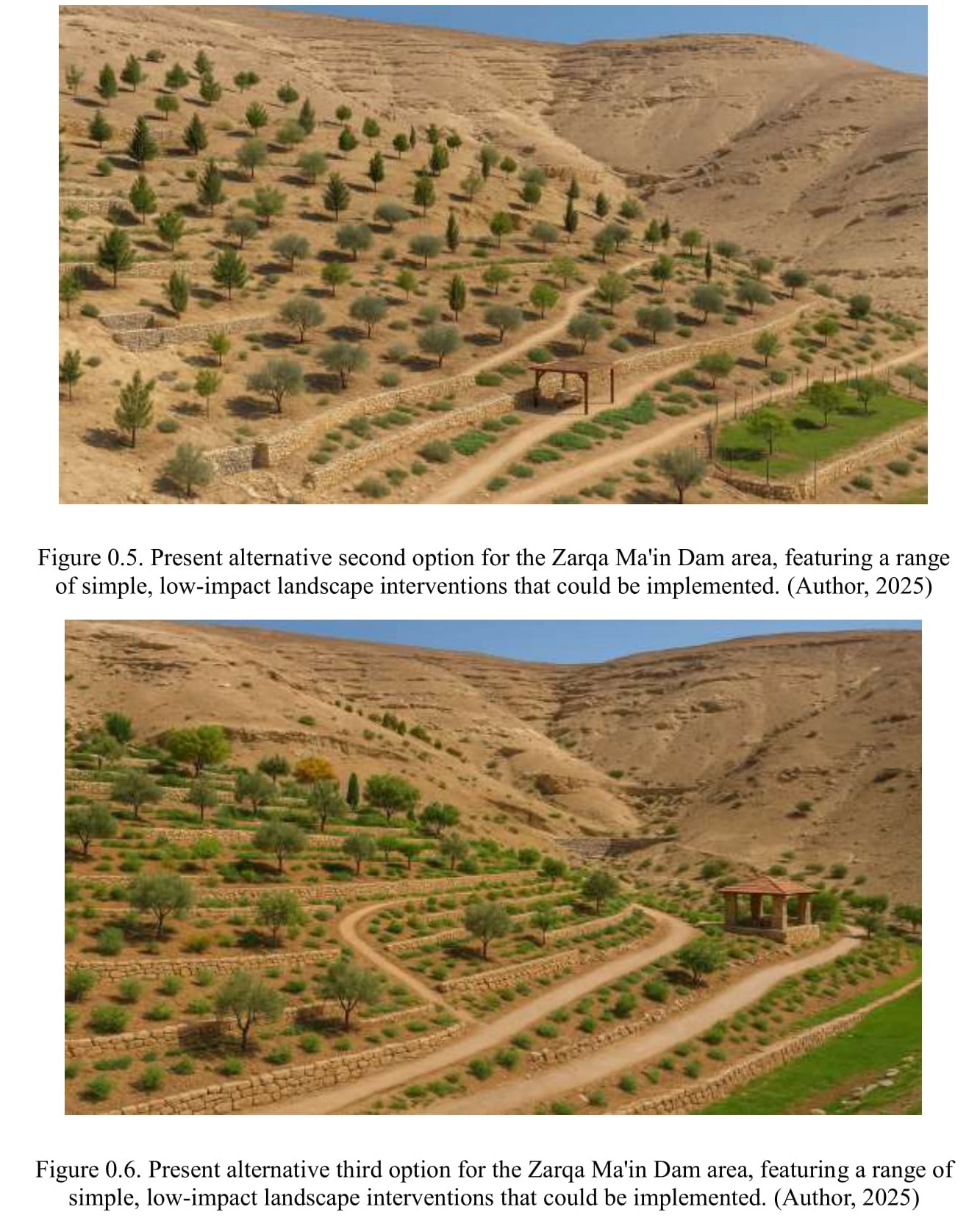
This study aimed to address critical environmental and socio-economic challenges facing Zarqa Ma'in Dam in Jordan through the application of Integrated Landscape Management (ILM). Specifically, the research focused on reducing siltation, controlling evaporation, enhancing local economic opportunities, raising environmental awareness, and improving recreational facilities for inclusivity.
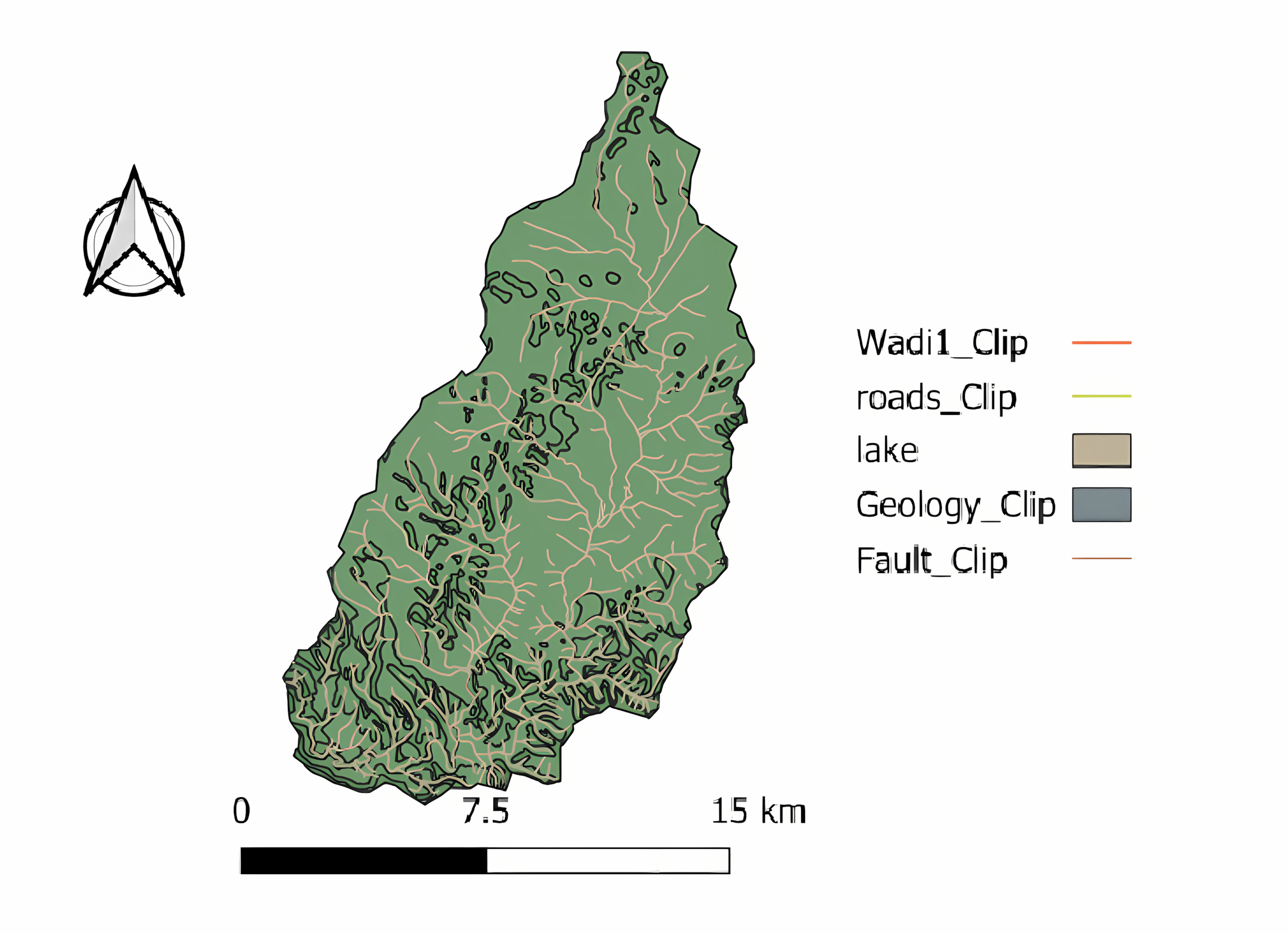
A mixed-methods approach was used, combining Geographic Information Systems (GIS), community questionnaires, and expert interviews. GIS analysis provided detailed spatial data, including slope, elevation, geology, vegetation, and siltation risk. Community questionnaires gathered views from 73 residents regarding environmental issues, economic potentials, and sustainability practices. Additionally, interviews with experts in hydrology, environmental engineering, and soil management offered deeper insights and validation of findings..
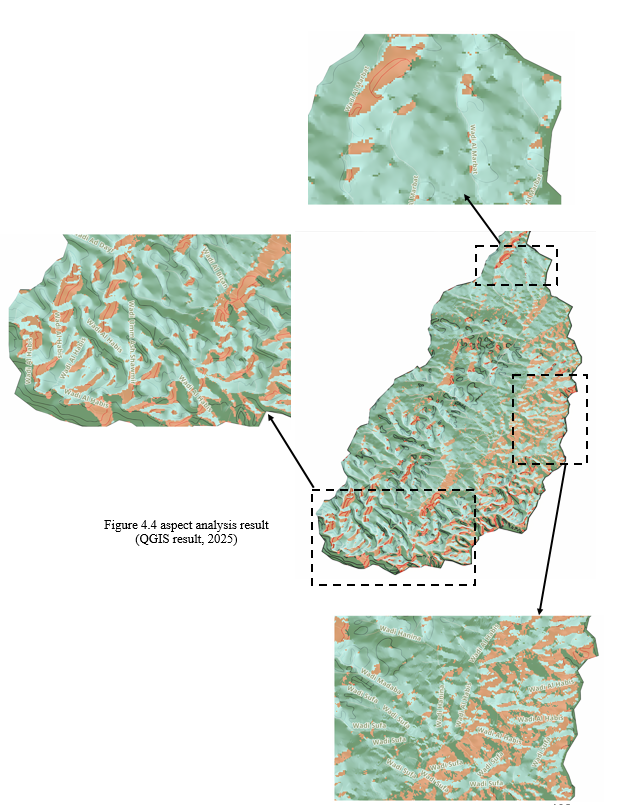
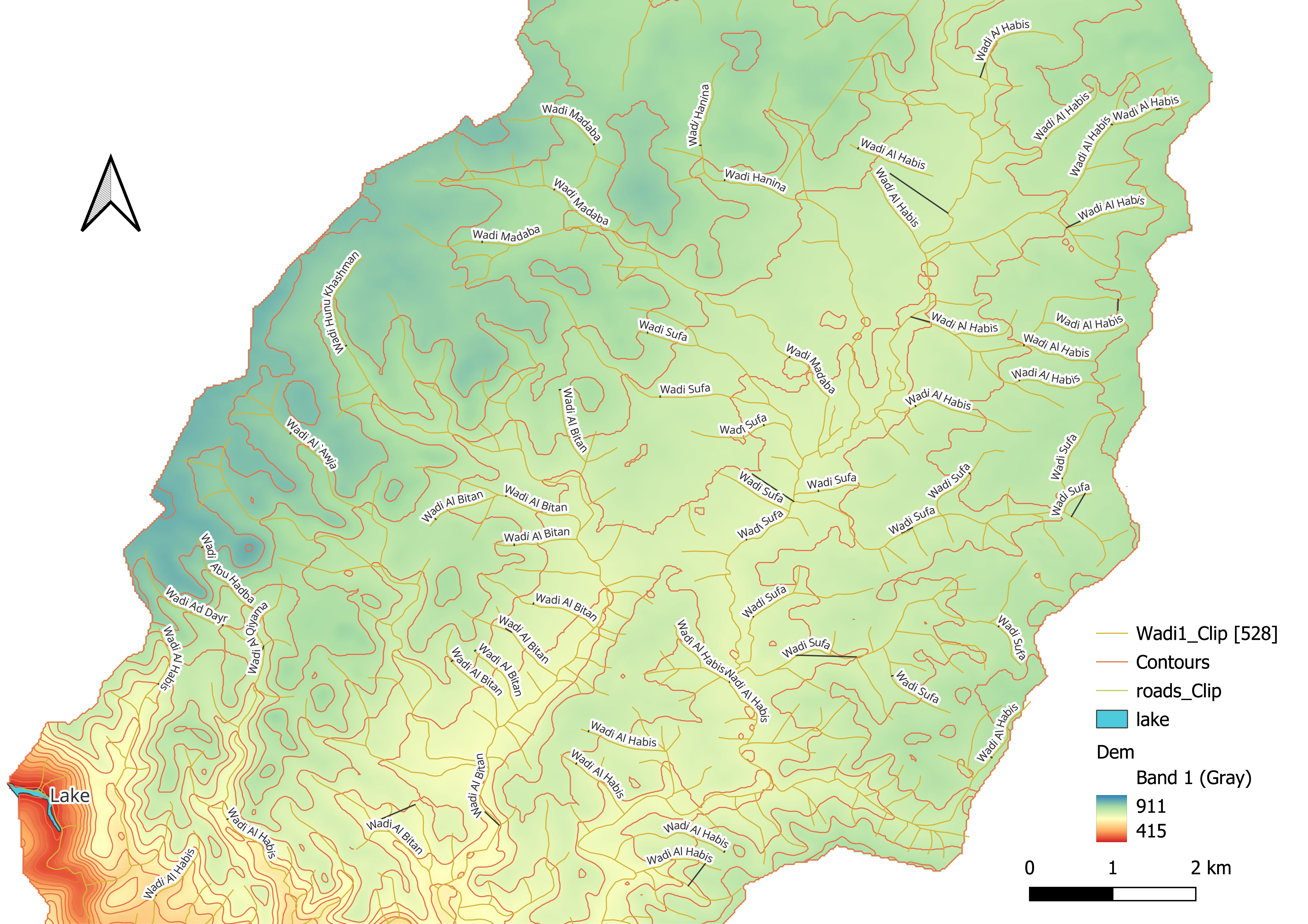
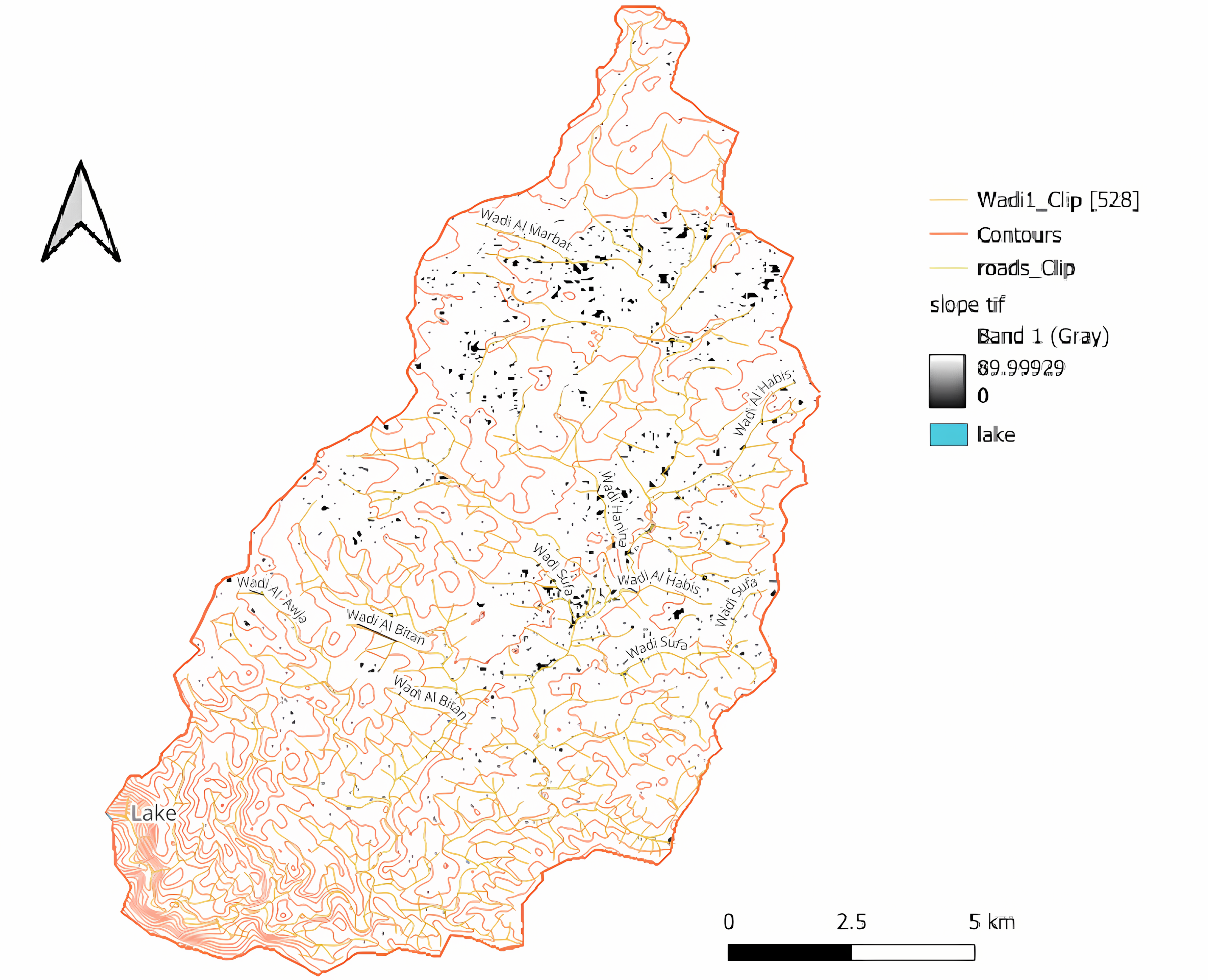
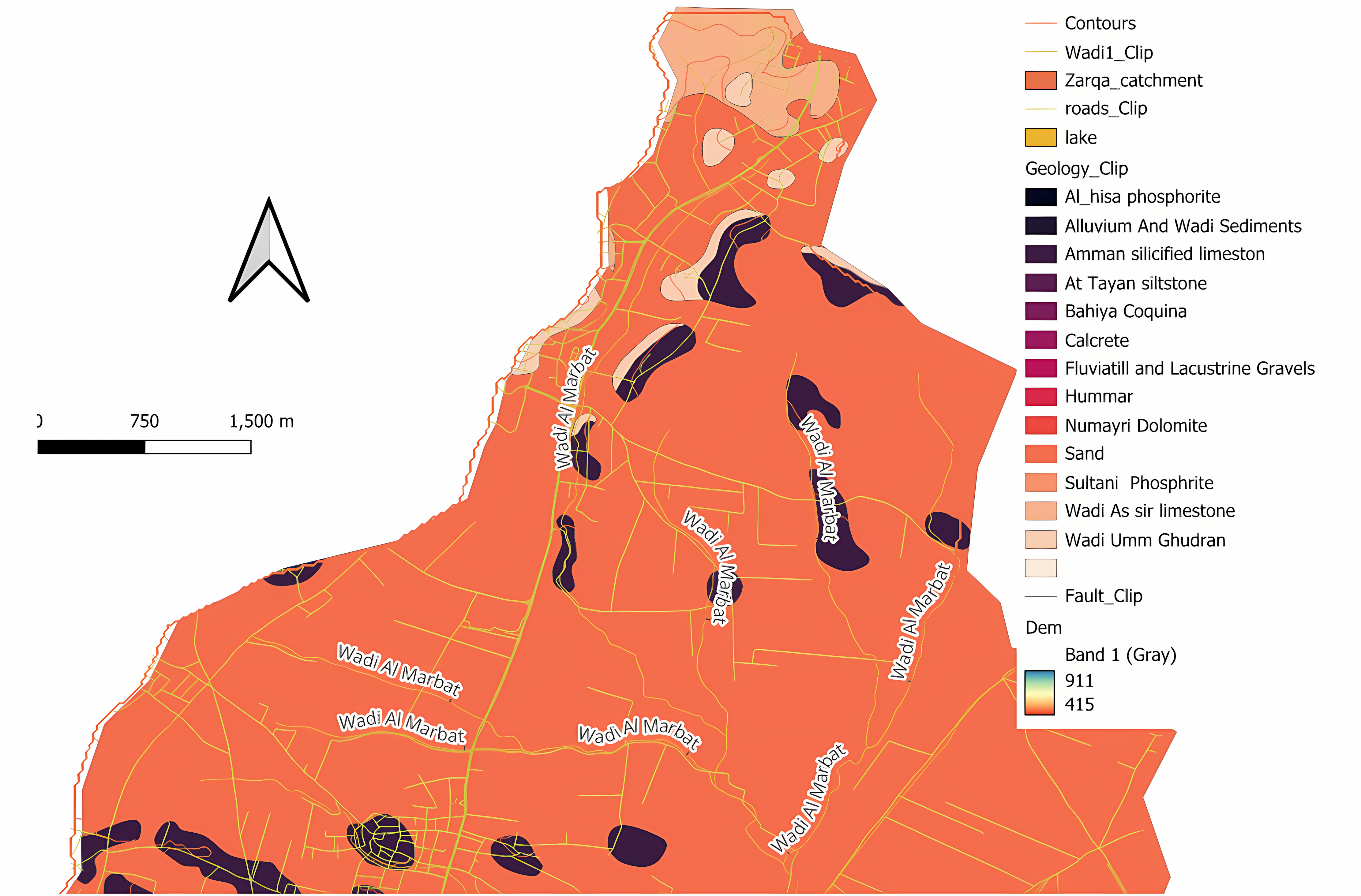
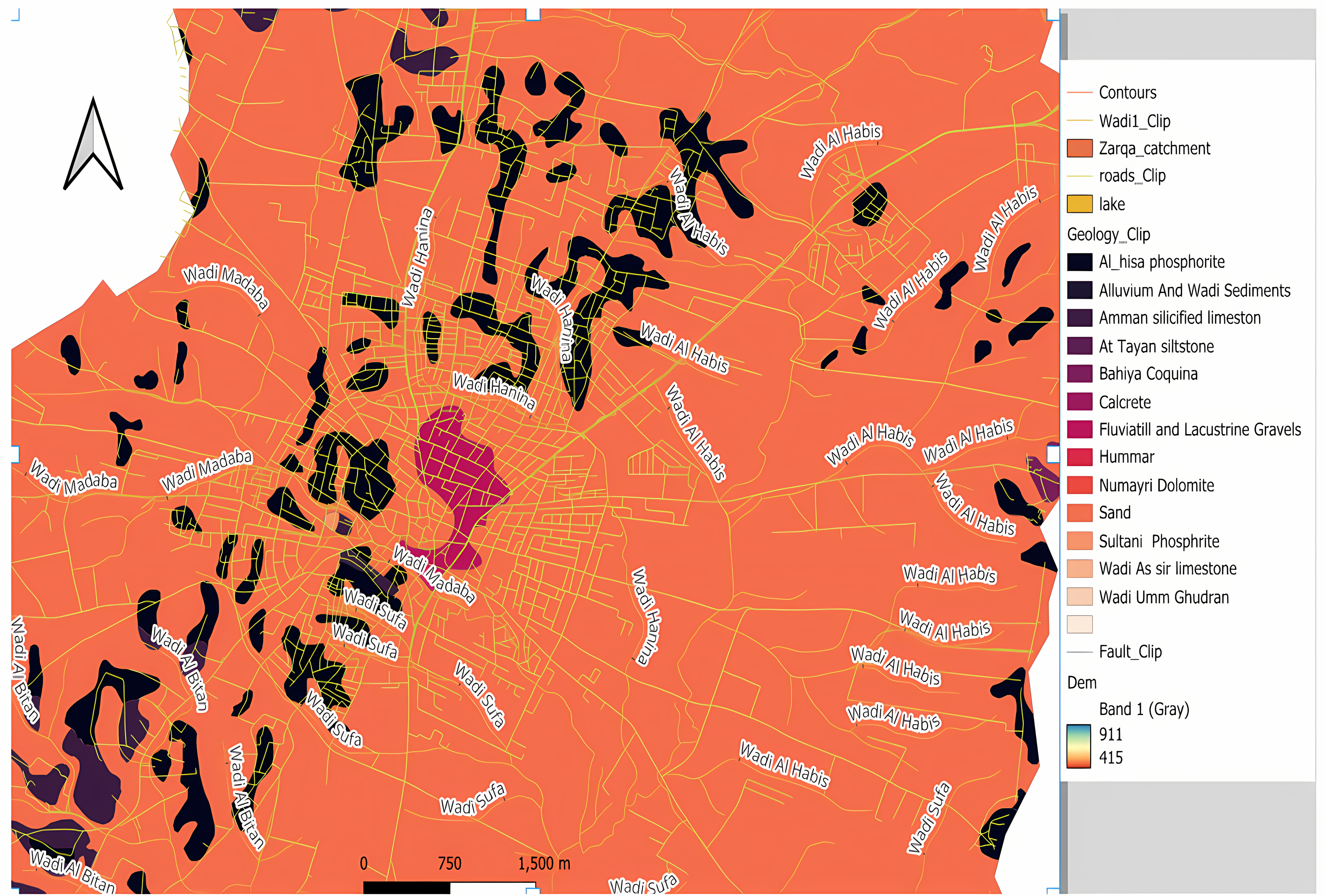
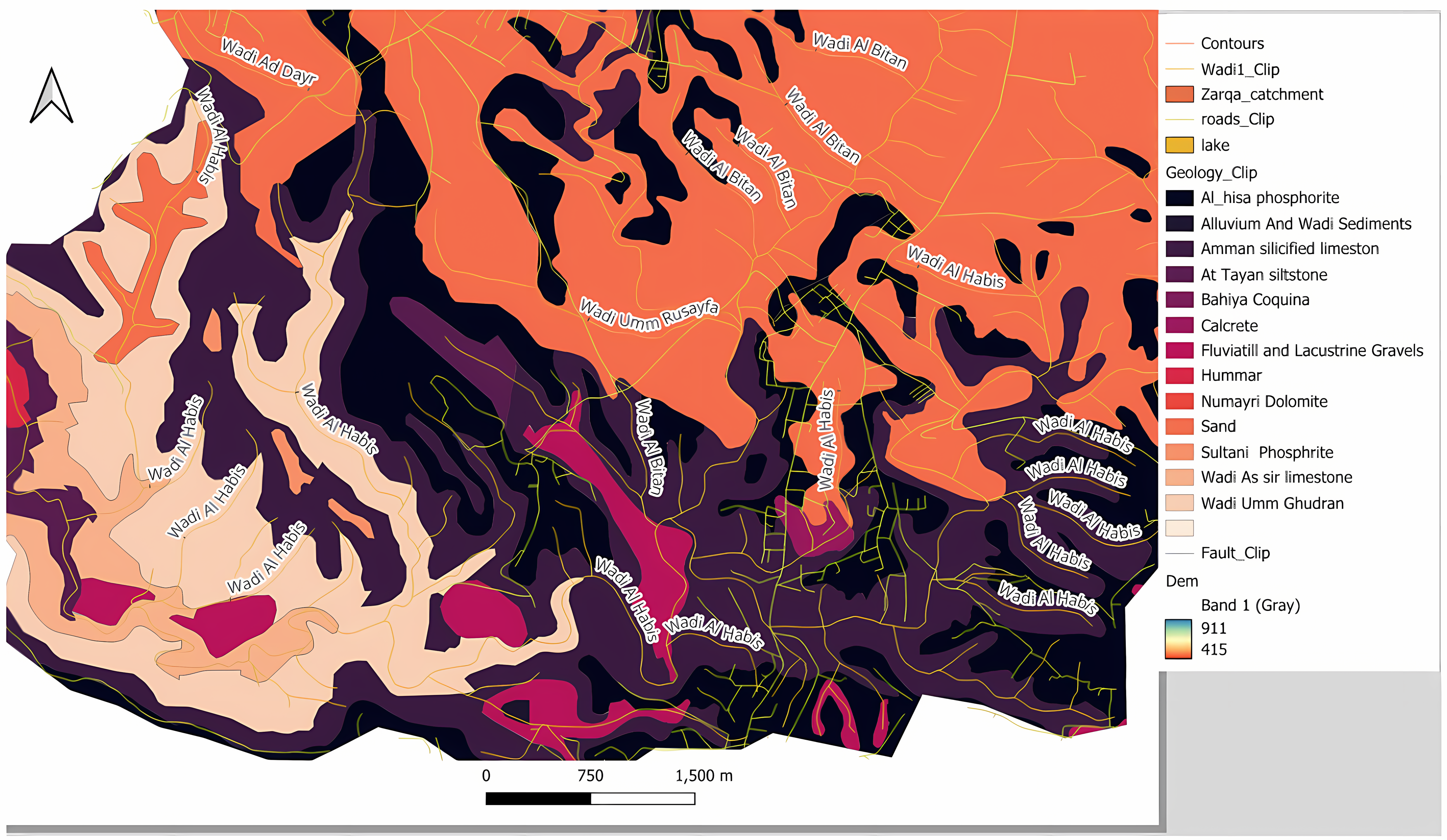
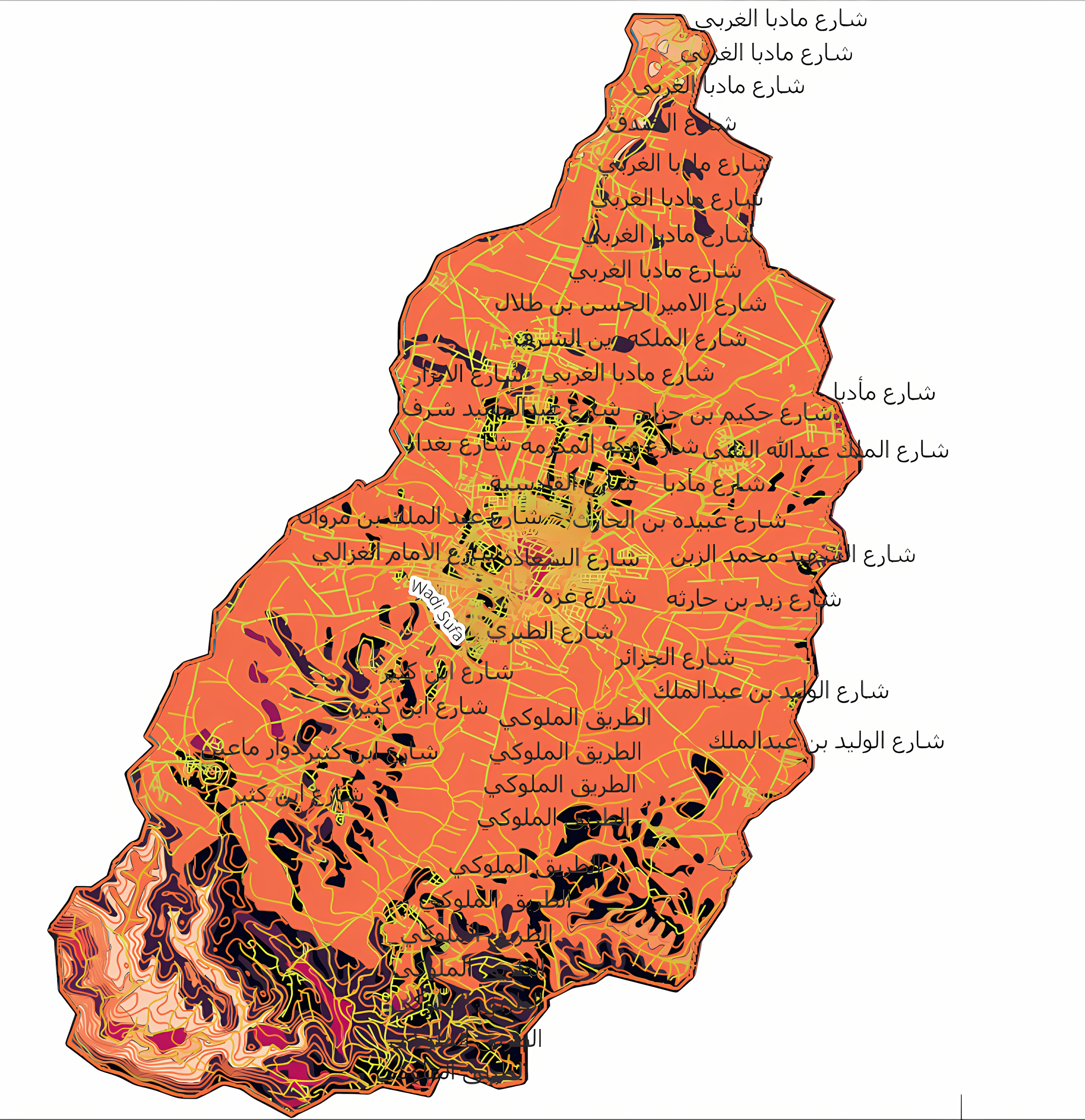
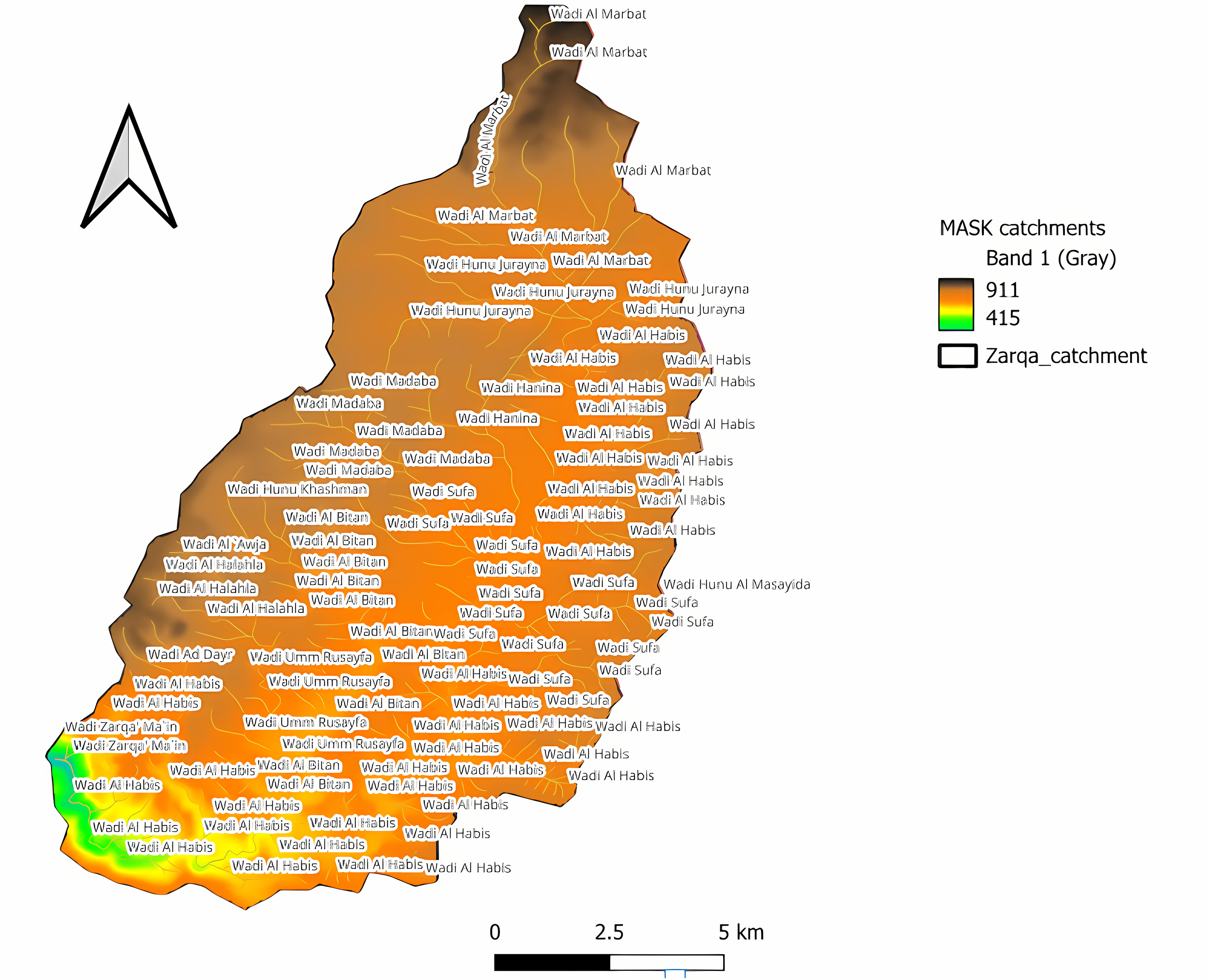
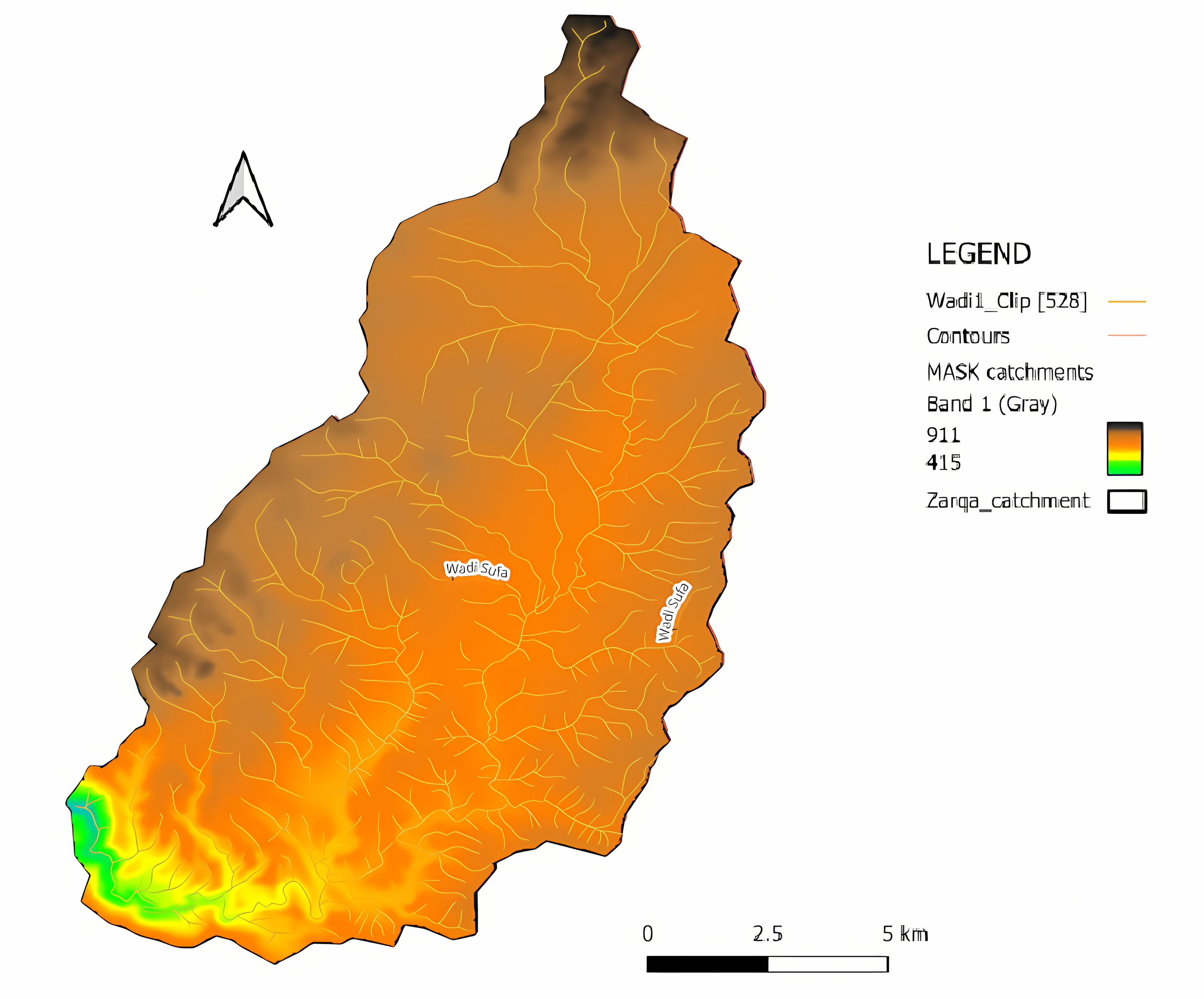
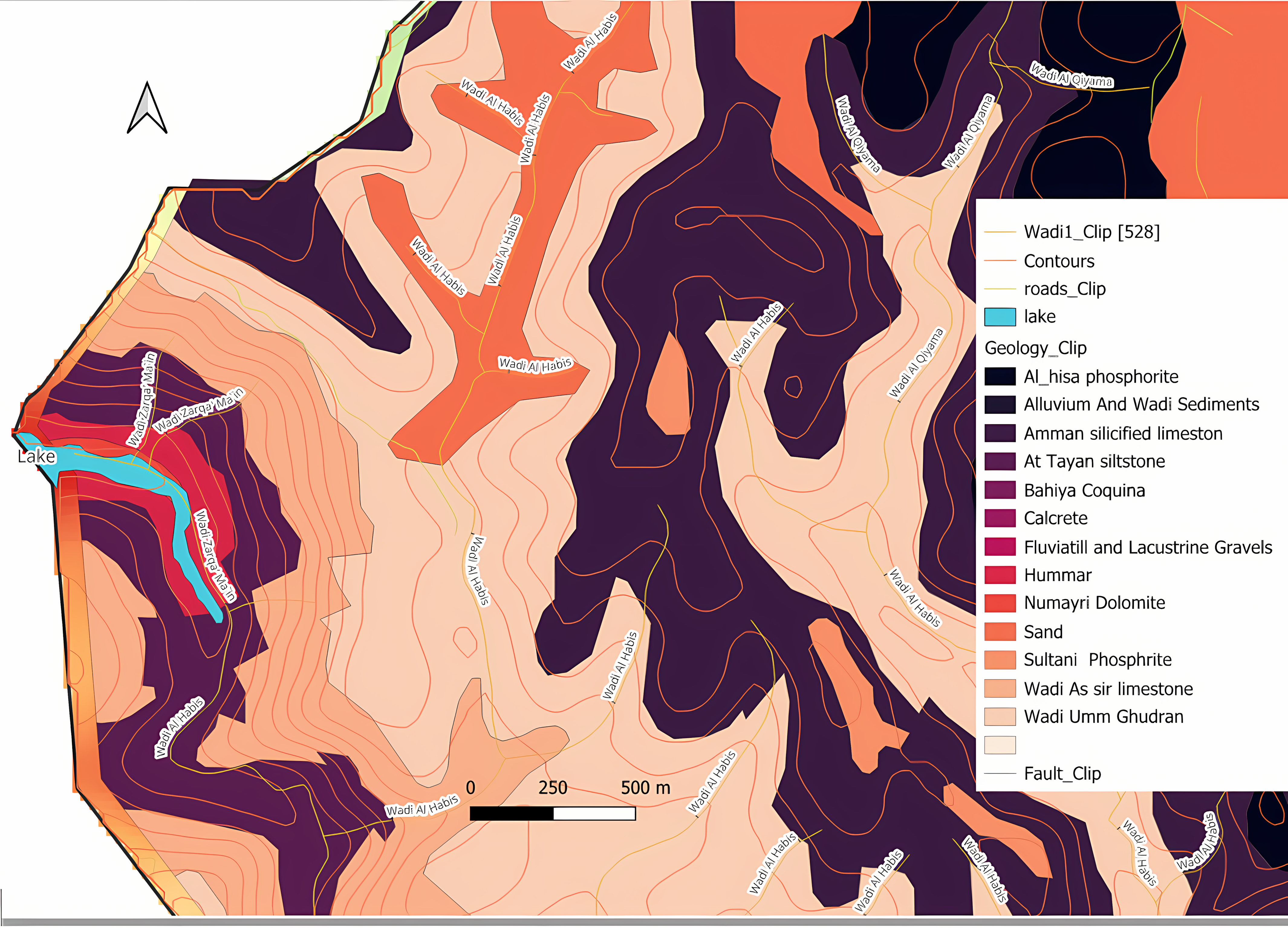
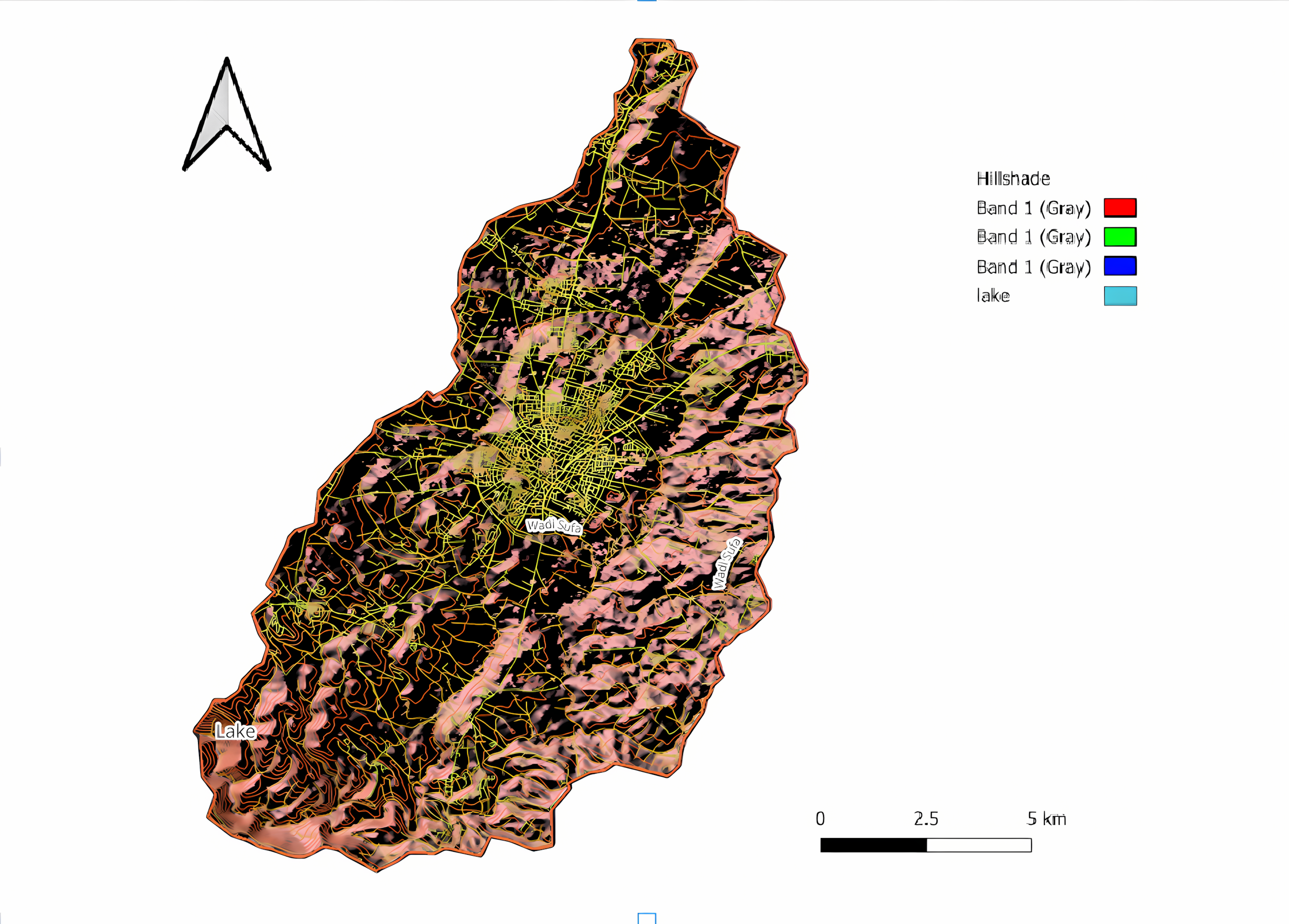
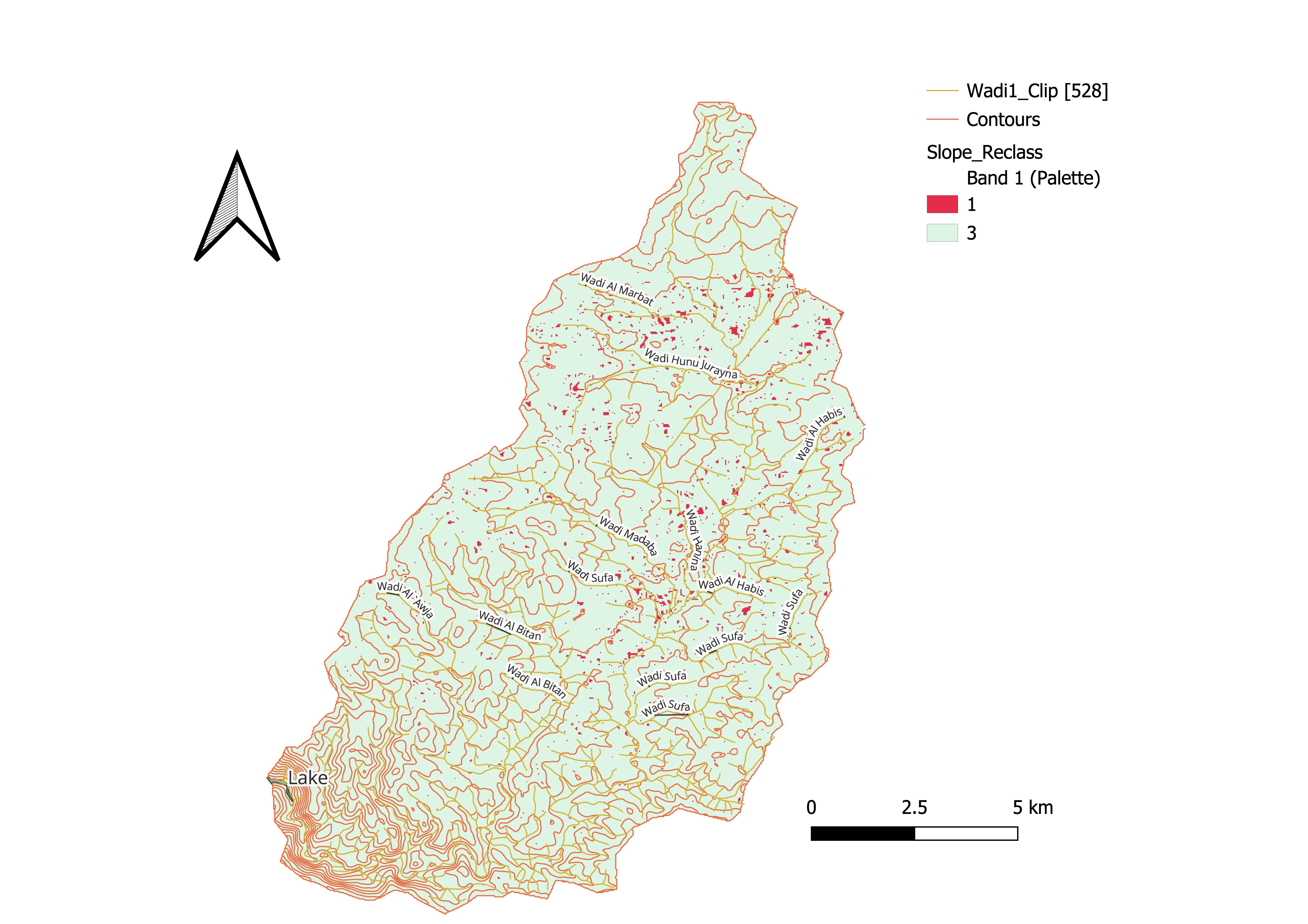
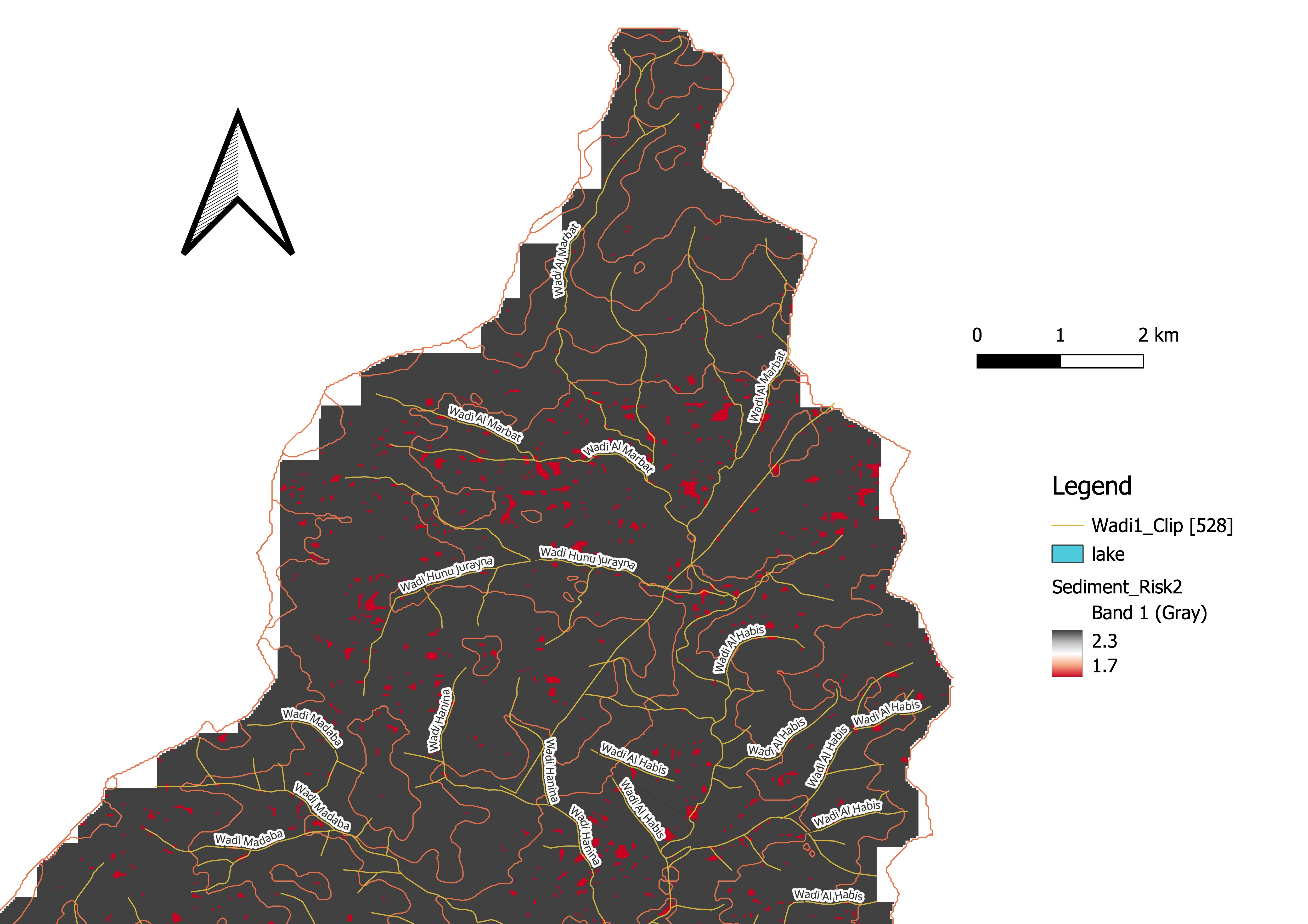
GIS results highlighted significant environmental vulnerabilities around the dam. High erosion risk zones were identified in areas such as Wadi Al Habis, Wadi Ad Dayr, Wadi Al Bitan, and Wadi Madaba, where steep slopes and weak geological formations combined to increase erosion and runoff potential. Aspect and slope analyses demonstrated that southern-facing slopes had high evaporation potential, making these priority areas for vegetation cover and shade provision. Geologically, the presence of soft sediments like alluvium in wadis significantly contributed to siltation risk, whereas harder formations like Numayri Dolomite provided stability.
Questionnaire findings showed a high level of local awareness about environmental problems, particularly siltation (67%) and evaporation (85%). Community members strongly supported implementing nature-based solutions such as reforestation and terracing (76%) to mitigate these issues. Additionally, locals expressed keen interest in economic development through sustainable eco-tourism and hospitality services. Educational programs on environmental protection were also highly favored (81%), emphasizing the community's readiness for active participation.
Expert interviews corroborated the community's perceptions, recommending affordable and effective interventions such as tree planting, slope stabilization structures, and educational campaigns. Experts emphasized that integrating community input was essential for the long-term sustainability of any interventions. They also supported enhancing recreational facilities to improve inclusivity and social cohesion.
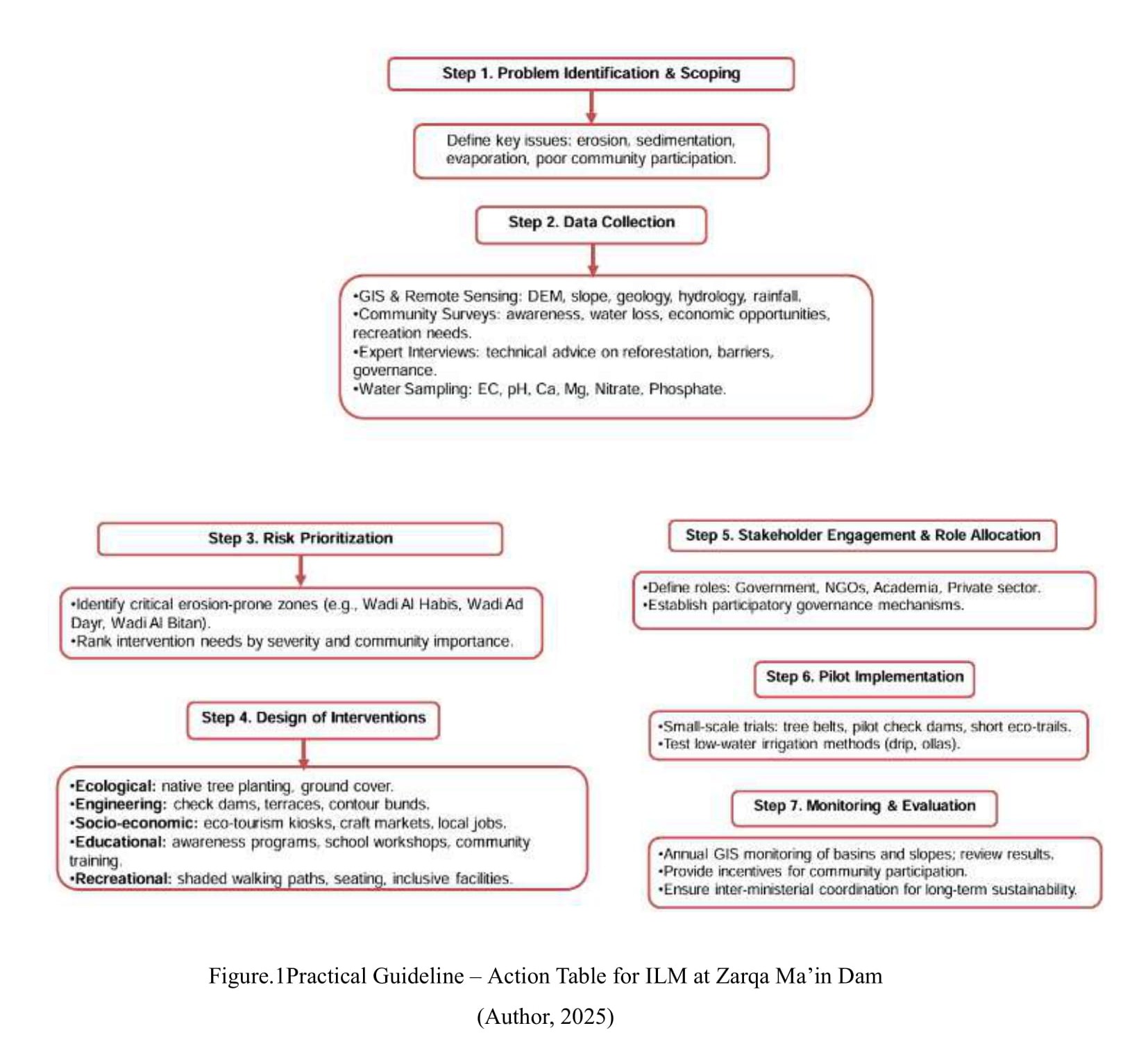
Findings indicate that ILM can simultaneously address ecological vulnerabilities and create opportunities for sustainable eco-tourism, environmental awareness, and inclusive recreational facilities. A key contribution of the research is the development of a Practical Guideline and Flowchart for ILM Implementation, which provides decision-makers with a structured, replicable roadmap for integrating environmental and socio-economic interventions at Zarqa Ma’in Dam and other arid-region reservoirs.
The study demonstrates that ILM offers a cost-effective and participatory framework capable of enhancing water security, ecological resilience, and community well-being in semi-arid contexts.